Woodland Retreat
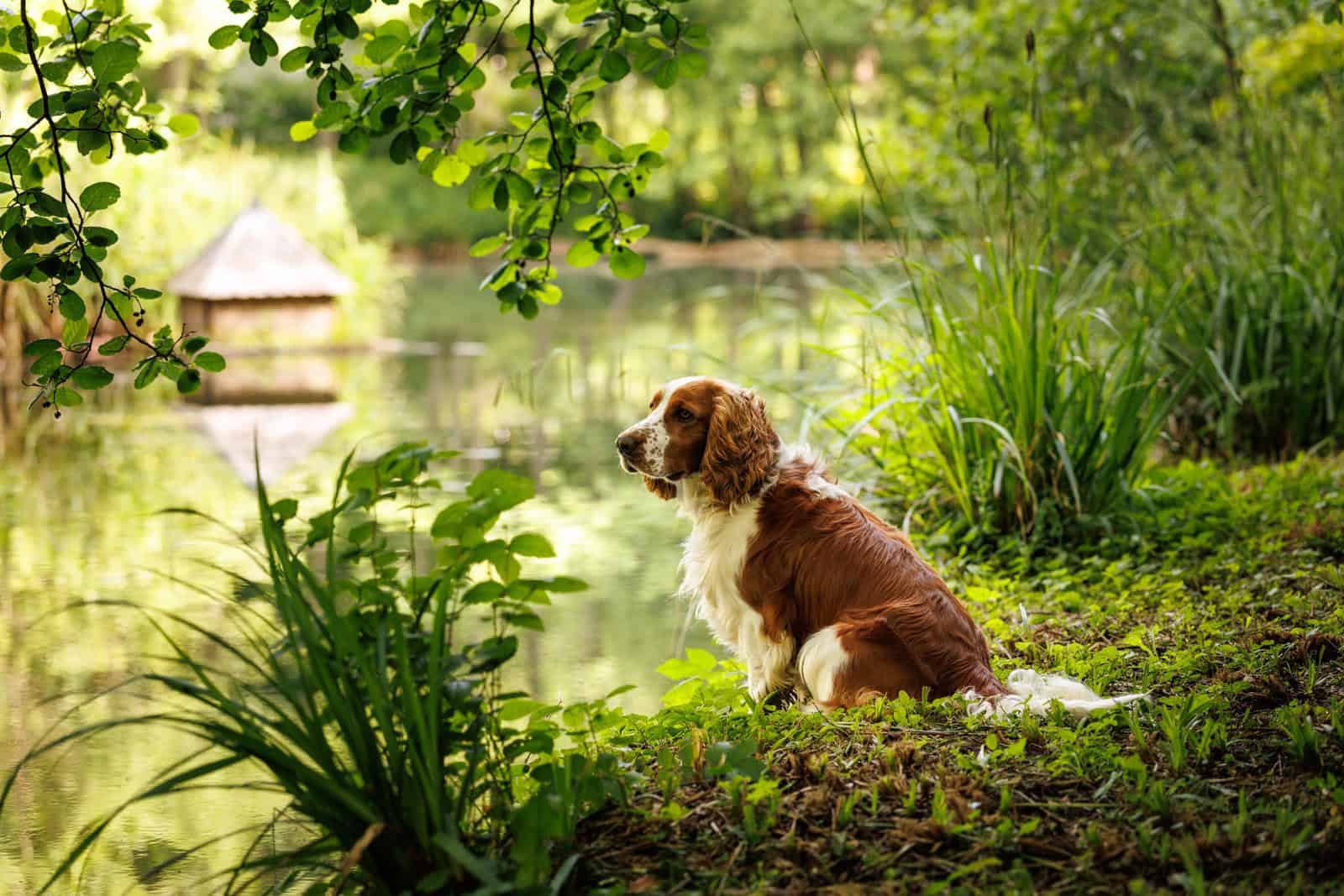
Our brief was to create a deeply private sanctuary — a garden that offered moments of peace, gentle access, and a strong sense of connection to the natural water source at the edge of the property. Privacy, light, and flow were the guiding principles, with an emphasis on embracing the surrounding landscape rather than imposing upon it. The owner, having worked with Christian Fleming Architects on an inspired extension of the main house, wanted the garden to sit seamlessly alongside this architectural transformation – an extension not just of the home, but of the land itself.
The site had once been an ex-equestrian property, purely functional and defined by a collection of outbuildings, horse walkers, gabion banking, with a sunken driveway running tightly beside the main house. At the lower part of the property stood an old stone staff cottage, shaded beneath mature trees. The garden had to evolve from this utilitarian past into something deeply personal and human – a place of sanctuary with multiple places to sit, reflect, and connect with the natural surroundings.
Accessibility was key so all spaces were crafted to provide ease of living for all ages and mobility levels, without compromising beauty or craftsmanship. A sound studio also had to be discreetly incorporated within the landscape.
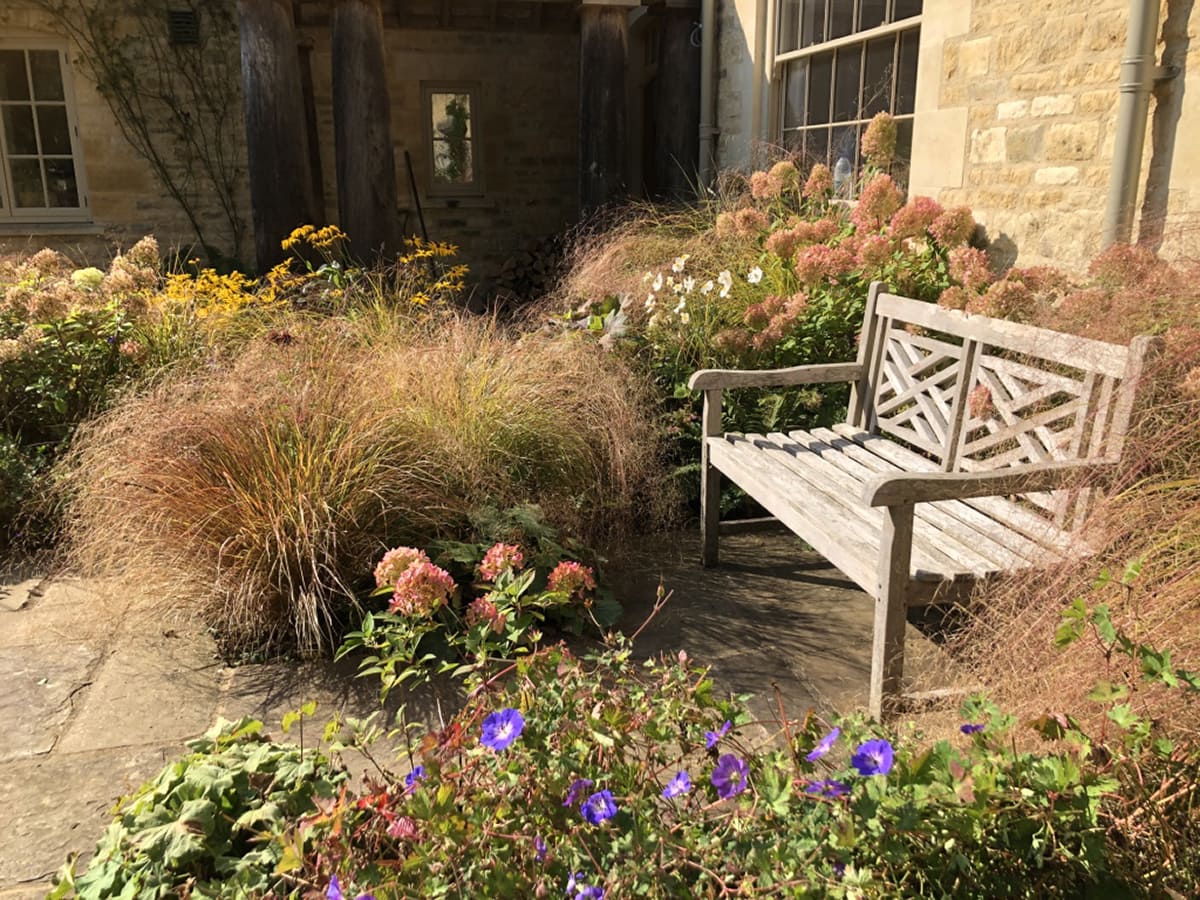
Every material used — from the locally sourced stonework and forged ironwork to the hand-built steps, drives, and pond — was chosen for its quality, authenticity, and ability to sit quietly within the landscape. The goal was to make it feel as though the garden had always been there, slowly grown into the folds of the site rather than laid upon it.
The planting approach was naturalistic and organic, designed to settle into the existing topography and evolve with time. We re-shaped the existing pond and worked with the mature trees and existing vegetation, planting additional soft woodland species, mosses, ferns, shade-tolerant perennials, and native groundcovers to keep the feel wild but intentional. Rather than rigid control, the aim was to allow nature to slowly reclaim and shape the spaces — a garden that would mature into itself over the years, finding its own character in every moss-covered stone and self-seeded crack and crevice.
But this was not a straightforward canvas – the property is on a steep, wooded site where light was limited, views were narrow, and space felt visually compressed. One of the key design challenges was to carve out light: opening up internal vistas, framing long views, and creating pockets of brightness and openness within the darker parts of the garden. The transitions between these spaces had to feel natural and fluid, allowing the garden to breathe while maintaining a quiet sense of enclosure.
What has emerged is a landscape with genuine heart and soul – a sanctuary defined by its deep connection to place. It doesn’t shout – it whispers, evolves, and invites reflection. It is a garden that accepts the passage of time and change, where nature plays an active role in shaping its future. And in that, it tells a story of transformation, of finding peace and privacy, of letting go of what was purely functional – and turning it into something deeply felt, lived-in, and timeless.